Cruelty in Entertainment
Syldavia/Getty Images istock
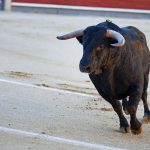
8
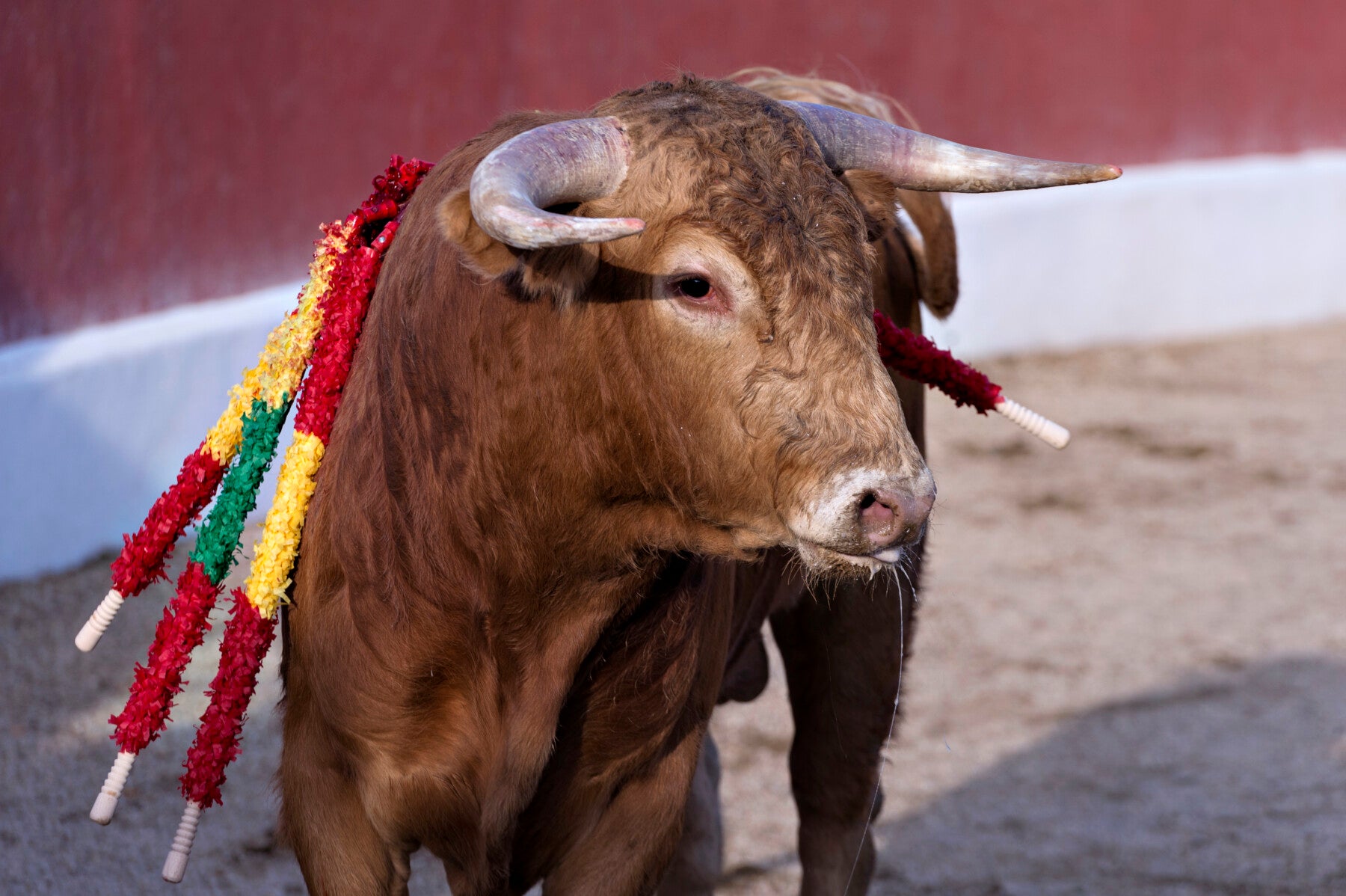
Number of countries still hosting bullfights

6k-8k
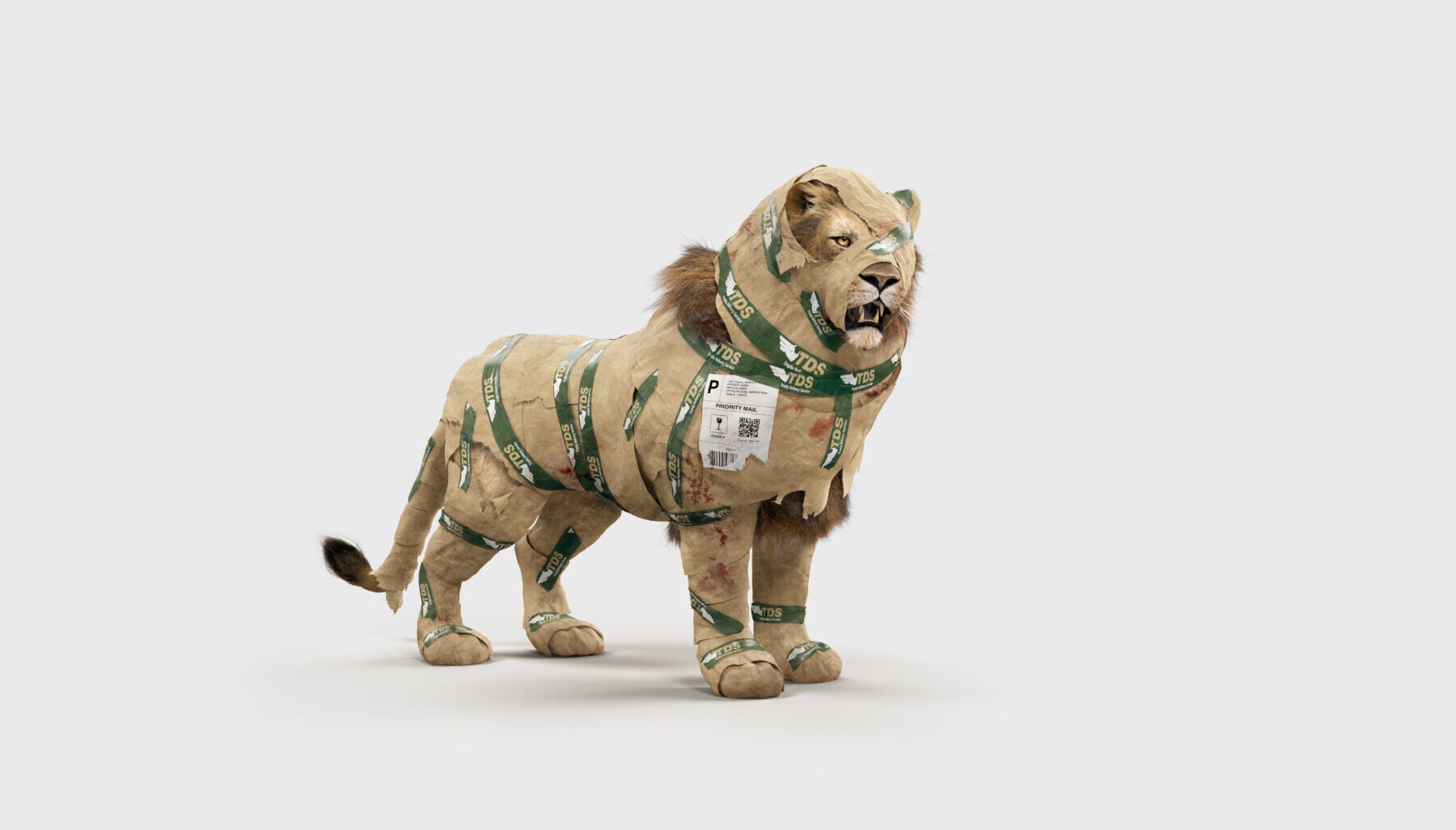
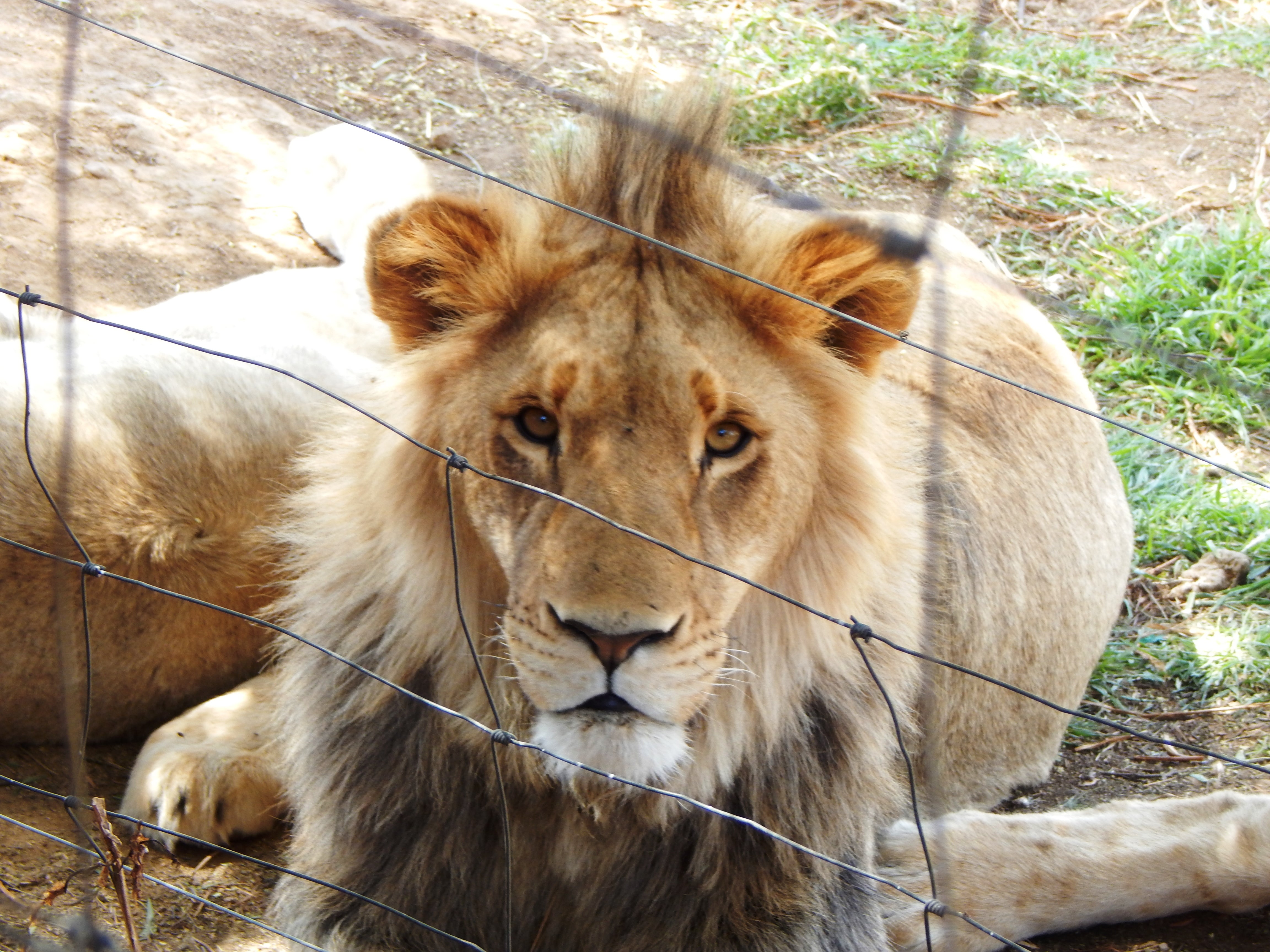
Lions are suffering in captivity in South Africa
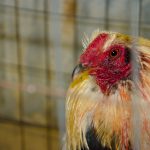
30 minutes
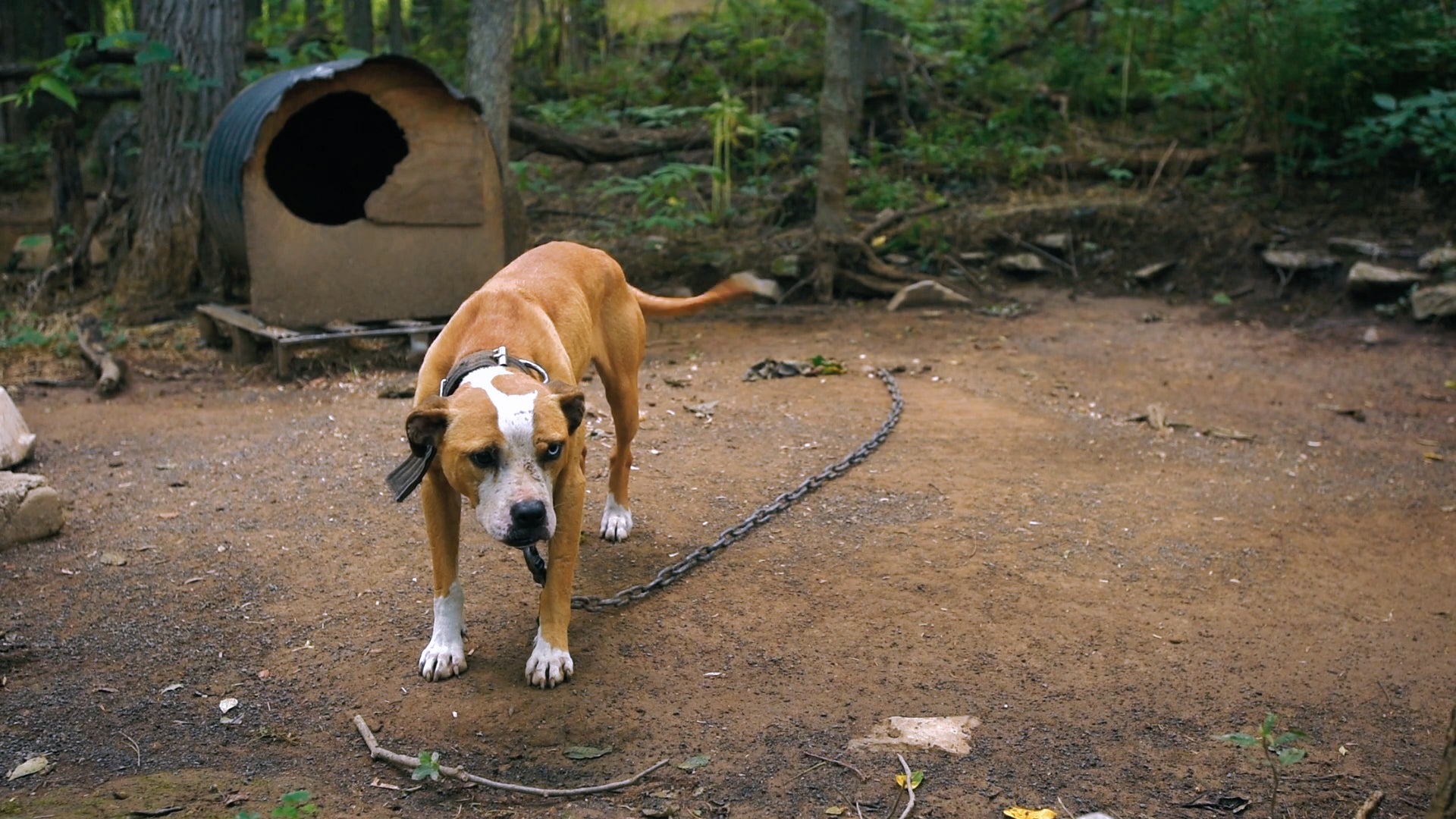
How long birds might suffer during cockfights
The issue
Every day, Humane Society International is fighting the injustice of cruelty to animals. While each culture has different beliefs and customs, some practices deserve no tolerance. The inhumane use of animals in entertainment is pervasive and includes bullfights, elephant rides, lion walks, cockfights, and marine and land wildlife “performances.” Avoid unwittingly taking part in this mistreatment.
Facts about the use of animals for entertainment:
- Bullfights are not “fair fights,” but highly staged forms of government-subsidized animal cruelty that perpetuate the idea that torturing and killing animals for amusement is acceptable.
- Bull fiestas and bullfighting are not supported by Spanish citizens: 74% oppose the Toro de la Vega bull fiesta (IpsosMORI, 2014); only 29% support bullfighting; and 76% oppose the use of public funds to support the bullfighting industry (IpsosMORI, 2013).
- Tourists who get involved in South Africa’s lion cub petting industry are inadvertently supporting the supply of lions to the canned hunting and lion bone trade industries.
- Wild animals in circuses, traveling shows and attractions often receive insufficient water, food and shelter, lack veterinary care and can become a public safety issue.
- Camels, elephants, donkeys and horses used for tourism for rides and safaris are often malnourished and physically abused, and suffer open wounds.
- Elephants rides are cruel. Often stolen from the wild when young, elephants are illegally trafficked, broken after capture, punished with bullhooks, carry excessive weight, suffer sores and diseases, and receive inadequate care.
- The natural habitat of orcas simply cannot be replicated in captivity.
- Swimming with dolphins increases demand for captive animals, including from including brutal “drive fisheries” in Japan.
Ian Bottle/istock
Our work in action


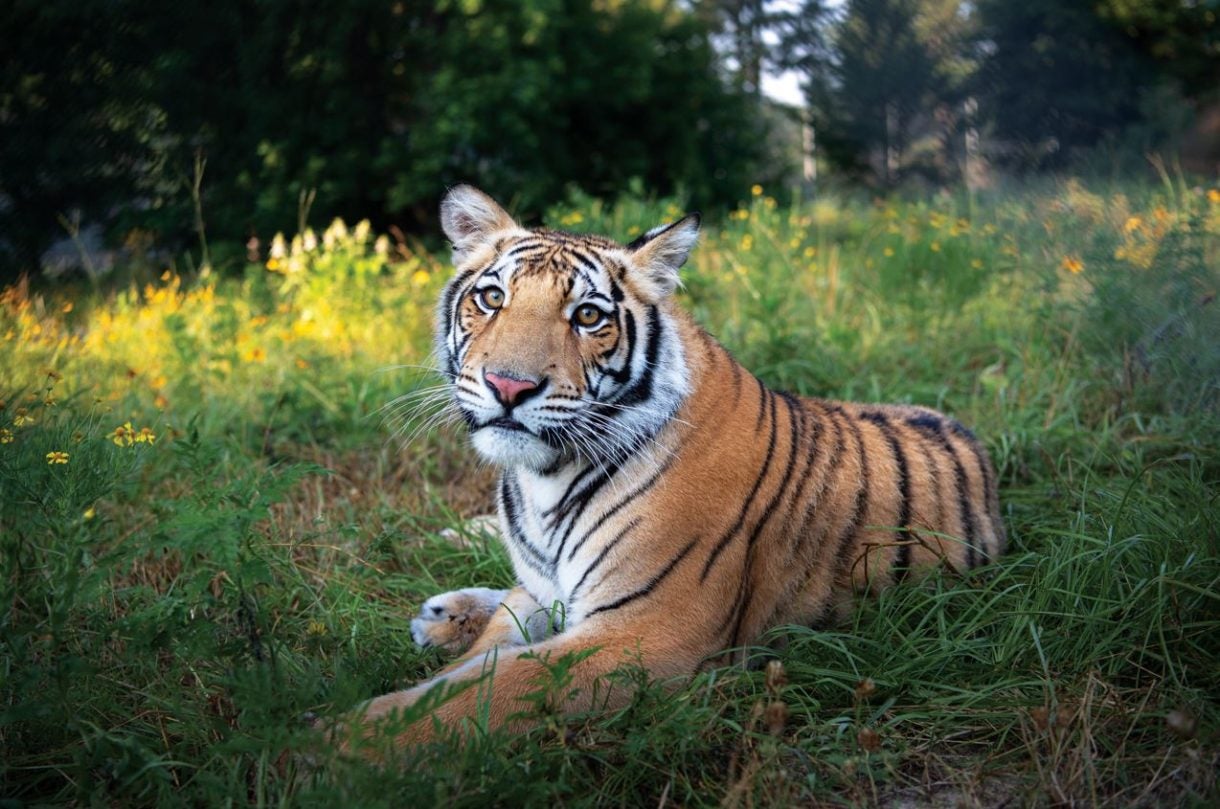
Urge South Africa to protect big cats
Urge the South African government to prohibit keeping big cats as pets and commodities and ban public contact with them.