
What sets HSI apart
Active on nearly every continent, HSI is one of the few international animal protection organizations working to protect all animals—including animals in laboratories, farm animals, companion animals and wildlife.
We are deeply committed to extending our reach and to expanding our services and support to local organizations around the world.
Our work is global
HSI campaigns around the world to help the greatest possible number of animals and to save those who are suffering from the most severe abuse, investing our time, effort and resources in ways that will make a real difference. Learn more about our multinational areas of focus.
We’re fighting to improve the lives of the millions of animals trapped inhumanely in cages and crates.
studiodr/iStock.comWe’re working to save more than 100 million animals from suffering and death in laboratories worldwide.
Michael Kloth/AlamyWe’re dedicated to protecting wildlife from cruelty, exploitation, conflict with humans and loss of habitat.
SeppFriedHuber/Getty Images istockWe deal with cruelty, neglect and suffering and do hands-on rescue of companion animals from a variety of bad situations.
CAPPWhether through disaster response, education and training or participation in treaty negotiations, we’re fighting for animals on every front.
HSI/IndiaOur work is local
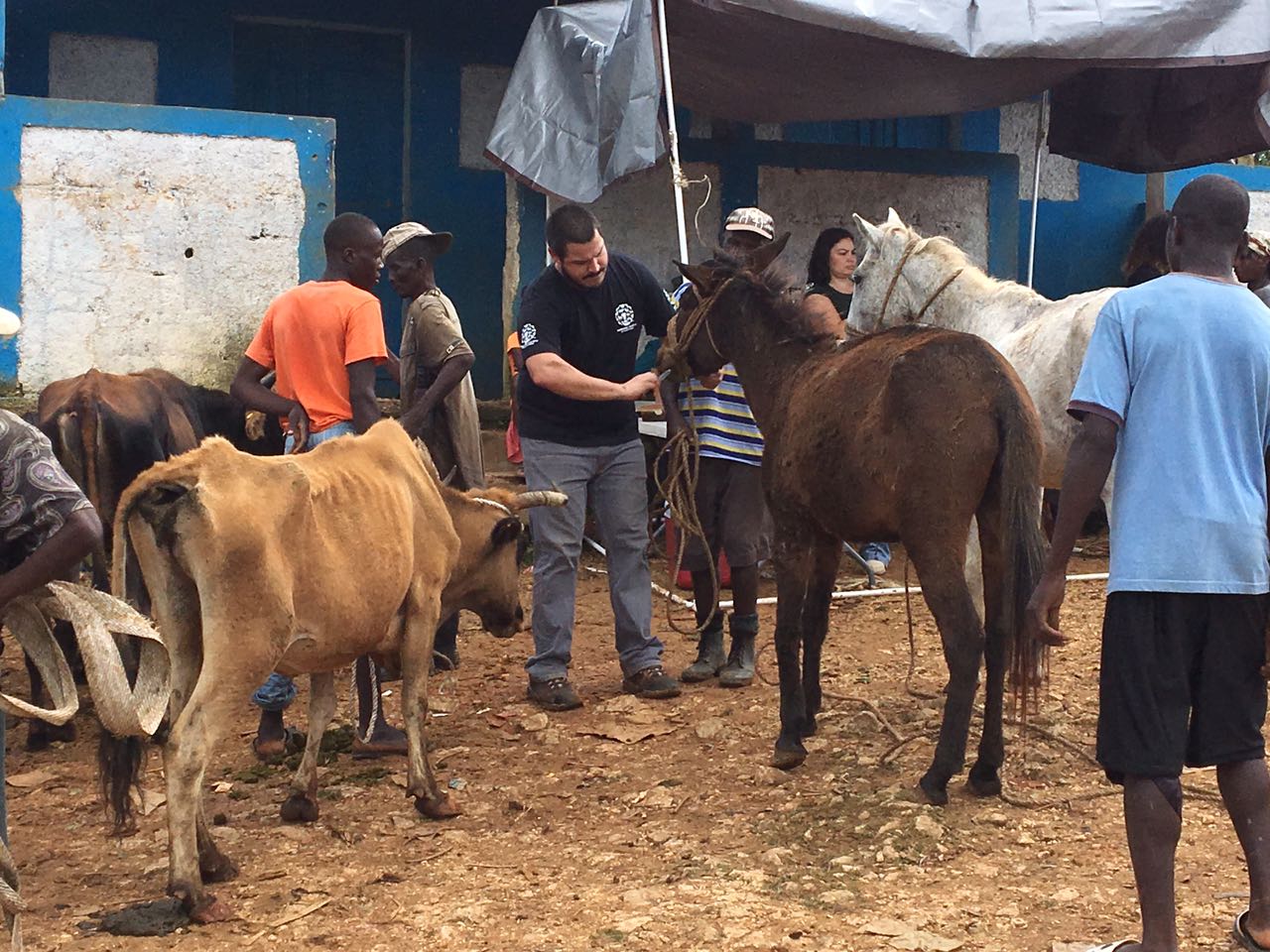
Advancing the welfare of animals in more than 50 countries, we’re continuing to expand our operations to help animals worldwide.
Our work in action

