
Legislation/Political Advocacy
Michelle Riley/The HSUS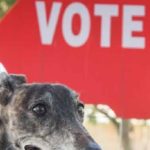
30
HSI has worked on legislation/regulations in over 30 countries

36+
Countries that have banned trade in seal products

45
Countries that have banned testing of cosmetics on animals
The Issue

Legislation and regulations provide the foundation for protecting animals. Not only do they dictate how animals in a certain city, province, state, or even entire country or political bloc must be treated, but they also last indefinitely, so can improve the lives of millions of animals for years to come. Although many people will proactively change their behavior to comply with the law, proper enforcement is also critical.
Facts about legislation/regulations:
- They’re necessary to implement and enforce components of national policy.
- They regulate both public and private sectors.
- They define the responsibilities, qualifications, rights and roles of each party.
- They ensure that societal norms are respected by all members of society.
Michelle Riley/The HSUS
Our work in action

More you can do
1. Take part in HSI’s action alerts and otherwise call/write/visit your legislators to speak for animals.
2. Attend demonstrations/gatherings to show your support for new laws/regulations.
3. Report violations of laws/regulations to ensure proper enforcement.
4. Always use your right to vote in local, national and regional elections.
5. Use these model laws to fight for legislation locally.
Become an Animal Defender
Help animals around the world.
Discover more



Make a difference
Get the latest news and most urgent calls to action by signing up to receive email alerts.