Wildlife Trade
Tikki Hywood Trust

USD $8–$20 billion
Estimated annual value of the illegal wildlife trade

1 million
Number of pangolins poached in the last decade alone
7,000
The number of species that have been seized from the wildlife trade
The Issue
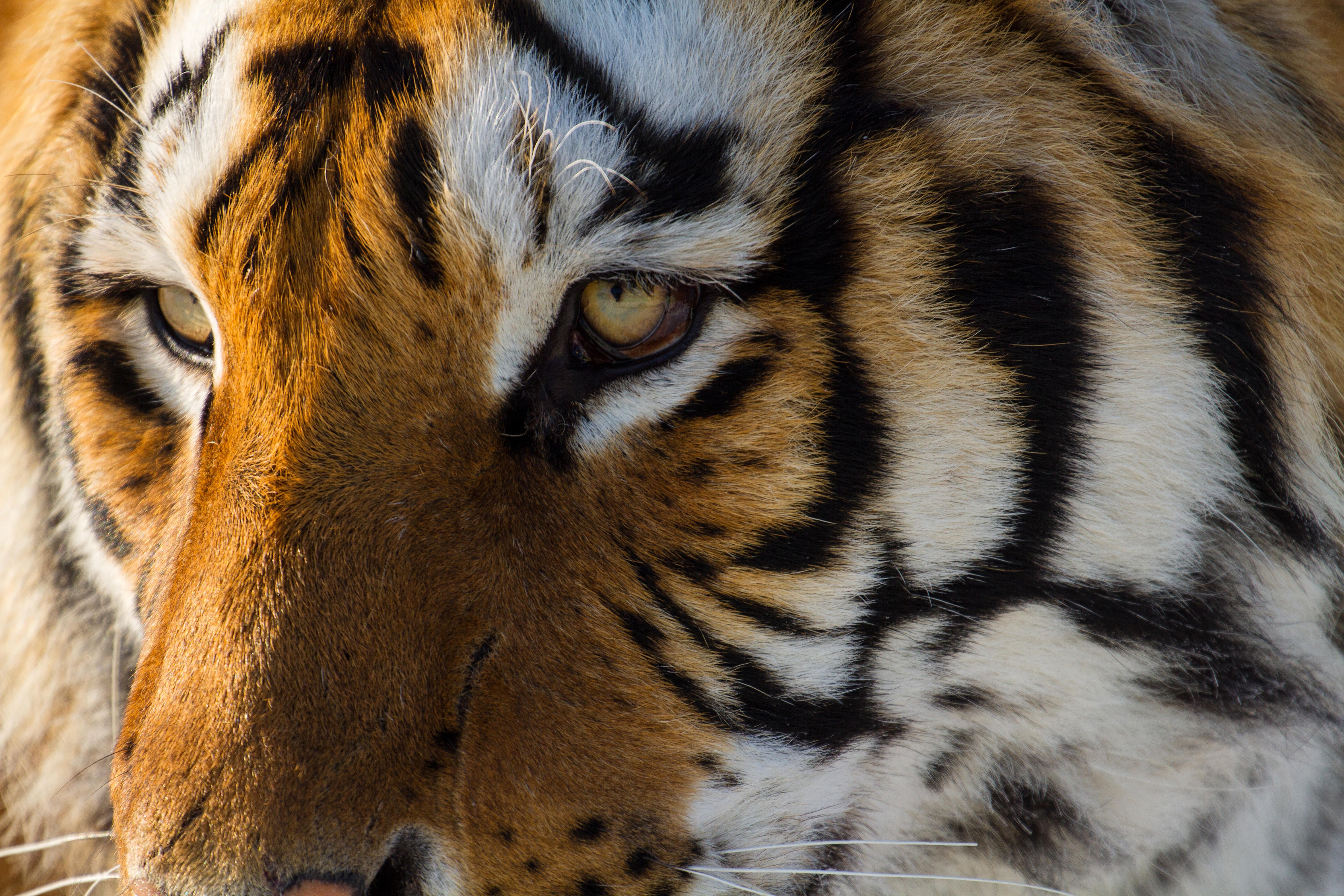
The wildlife trade poses a major threat to wild animals across the globe. The trade puts a price tag on species, leading to unsustainable population declines and causing undue pain and distress to animals killed for their body parts or smuggled long distances for the pet trade. The illegal wildlife trade is now one of the most lucrative illicit markets in the world.
Wildlife trade facts:
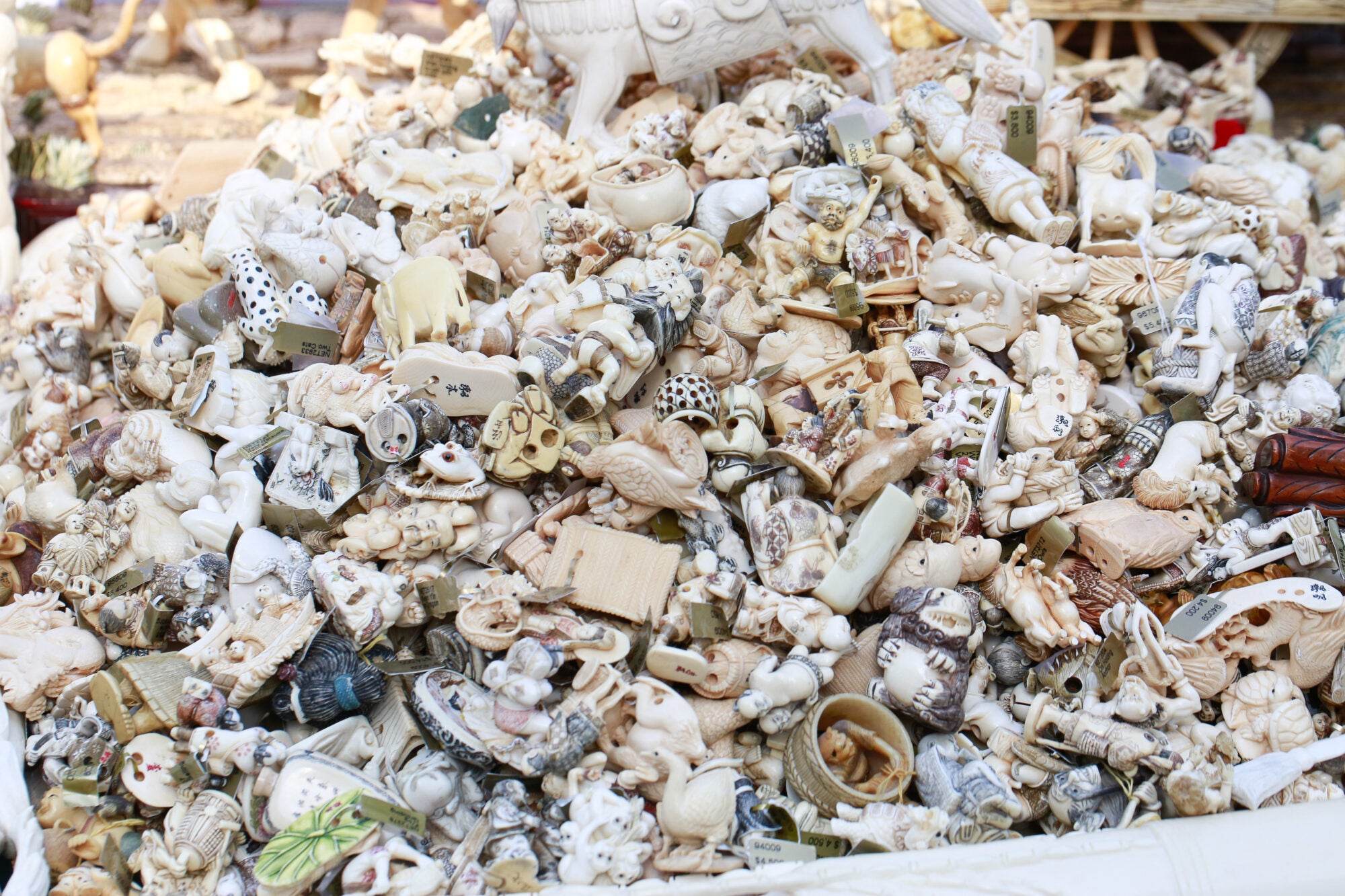
- Wildlife parts sold in the trade include skins, leathers, teeth, bones, trophies, live animals and more.
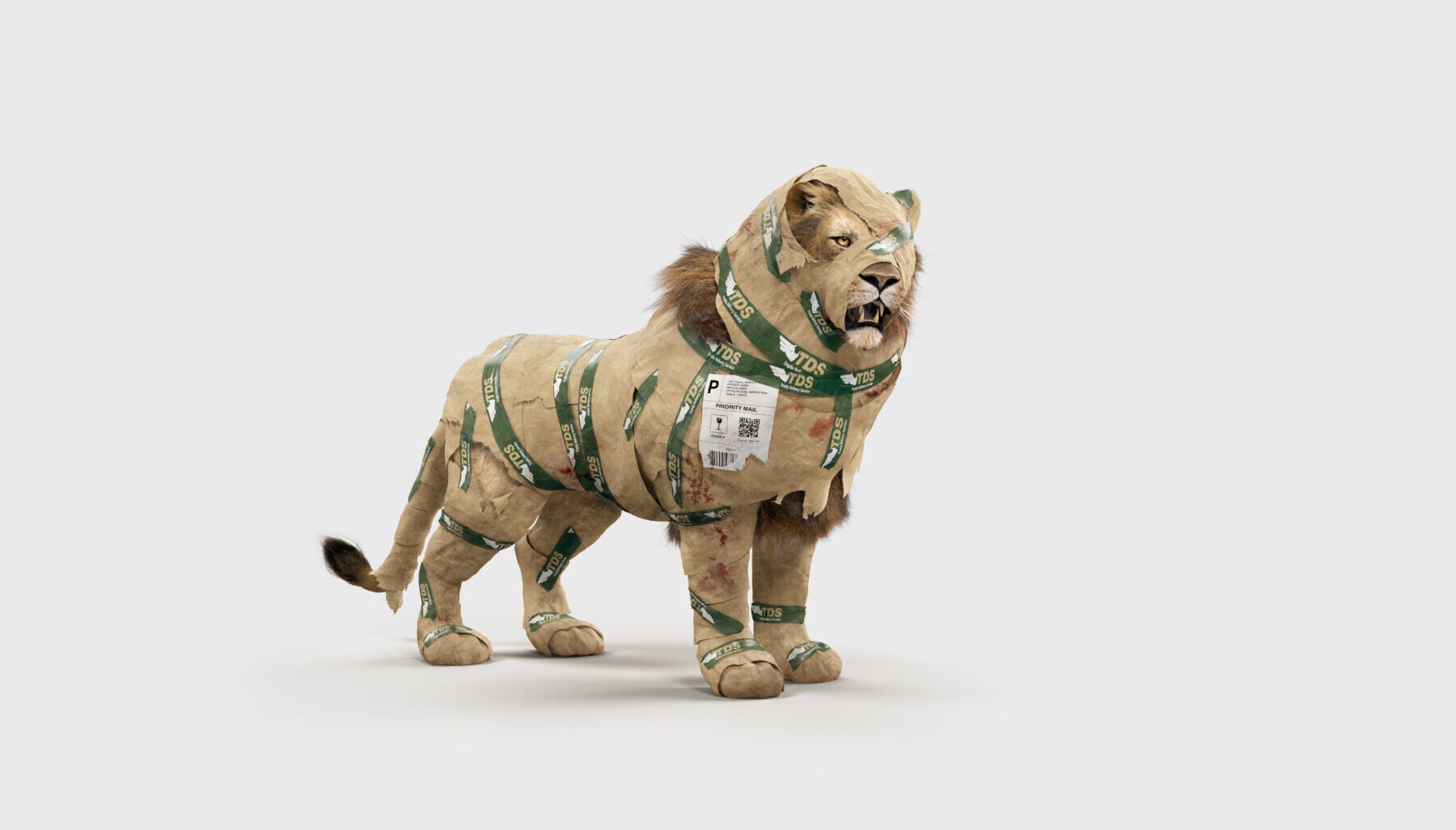
- Live animals in the trade may be used as exotic pets, stock for game farms, zoo animals and biomedical research subjects.
- The line between legal and illegal wildlife trade is blurred, as poachers and traffickers often try to pass off illegal wildlife products as legal. In addition, consumers may unknowingly break the law by bringing wildlife products across borders without proper permits.
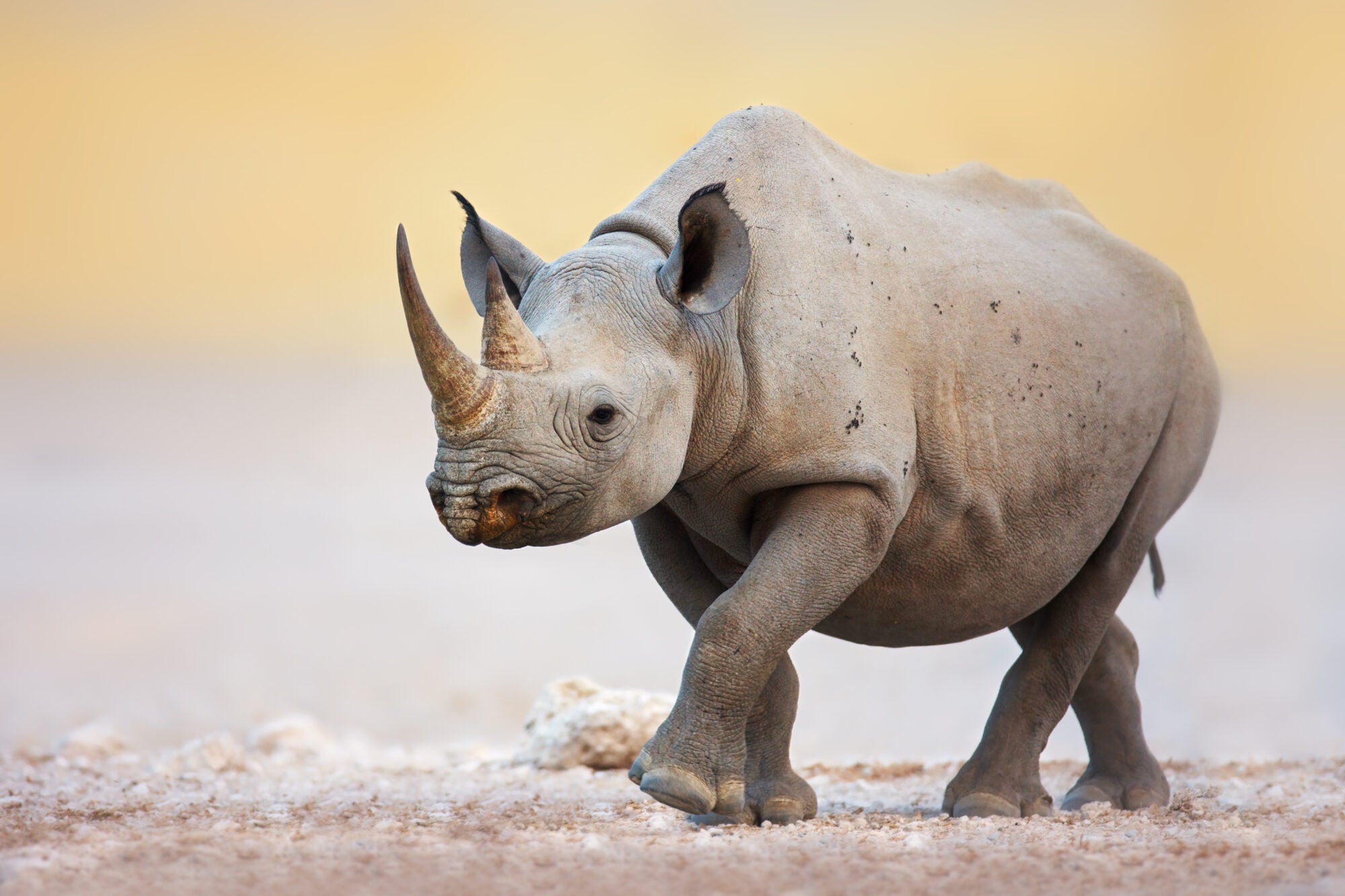
- Tiger bones and rhino horn are often bought for medicinal purposes, but they have no scientifically proven medicinal value.
- Wildlife traders sometimes breed animals in captivity, kill them and sell their parts. These facilities are sometimes disguised as sanctuaries.
- The illegal wildlife trade is linked with organized criminal syndicates involved in arms, drugs and human trafficking.
- Endangered species are highly valued in the wildlife trade because of their rarity, leading to overexploitation and black market trade, and pushing these species further toward extinction.
Waldo Swiegers/AP Images for HSI
Our work in action


Sign our Don’t Buy Wild pledge
The best way to protect wildlife is to keep a watchful eye on their use in tourism, shopping and dining. Realize that many wildlife products for sale involve cruelty and jeopardize the species’ survival.