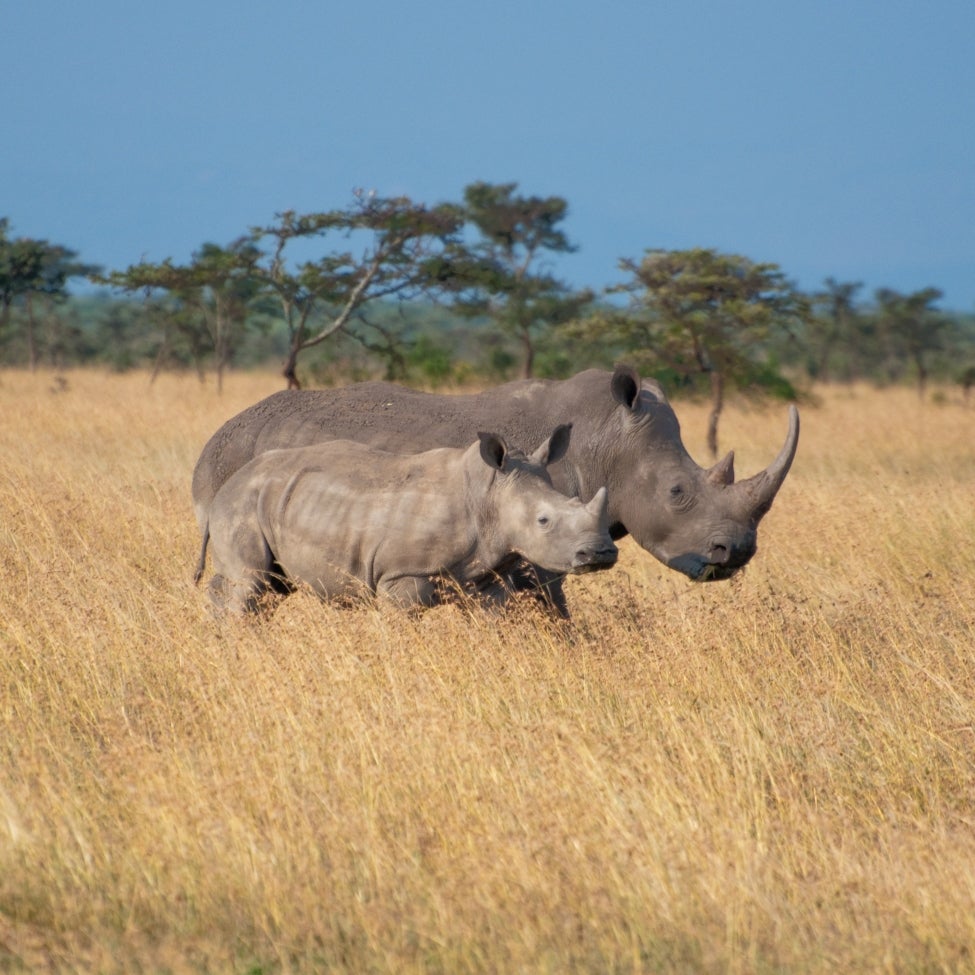
Human-Wildlife Coexistence
Michelle Riley/HSI
Overview
As humans continue to encroach on animals’ habitats, clashes between people and wildlife will become increasingly common. Humane, non-lethal solutions need to be implemented to protect both from harm.

1
Human dies from human-wildlife conflict in India every day

5
Fatal shark attacks per year from 2000 to 2009, compared to millions of sharks finned

75+
Percentage of felid (wild cat) species affected by human-wildlife conflict
The Issue
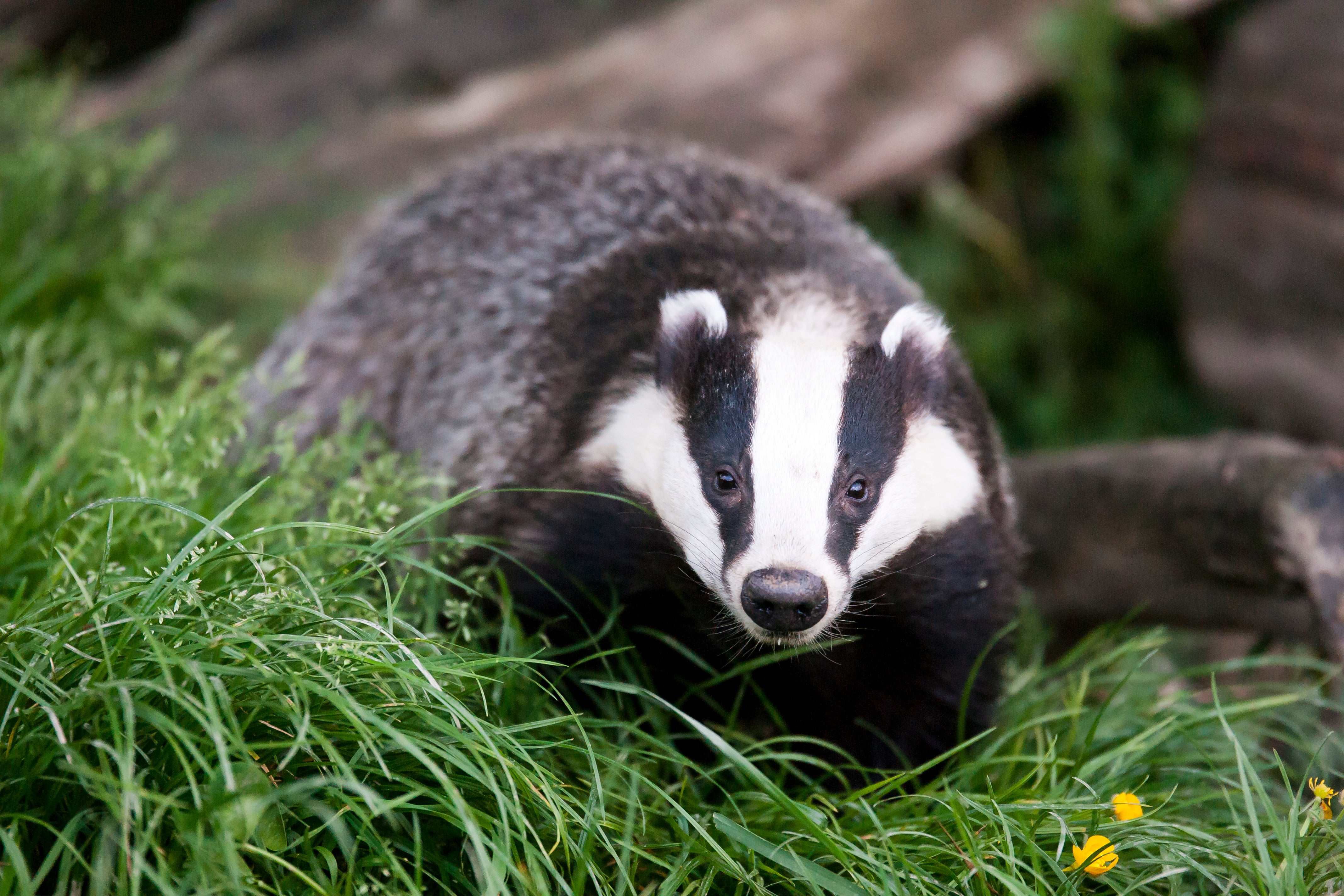
Many wild animals live in habitats significantly smaller than their historic range, often in close proximity to humans. This causes human-wildlife conflict, especially with farmers who live in rural areas and forest-dependent communities that compete with wildlife for waning resources. Traditionally, lethal methods have been used to address human-wildlife conflict, but these methods are cruel and ineffective, and threaten imperiled species. There are many strategies and precautionary measures that can be taken to avoid conflict and promote peaceful co-existence.
Facts about human-wildlife conflict:
- Farmers may kill wild animals, including threatened and endangered species, in retaliation for damage to crops and livestock.
- Non-lethal conflict mitigation methods are more effective at reducing human-wildlife conflict and cost less to implement than lethal methods.
- Farmers and forest-adjacent communities can use methods such as fencing, guard animals and livestock protection collars to humanely prevent conflict.
- Animals like big cats and canids are more likely to be involved in conflict because of their large territories and dietary preferences.
- Human-wildlife conflict may cause locals to feel hostile toward wild animals, making them less supportive of conservation and anti-poaching efforts.
Our work in action